Introduction
Search Engine Optimization (SEO) is a strategy used in digital marketing to improve a website’s ranking on search engines like Google. Higher rankings mean the page is 1st in SERP(search engine result page), with more visitors, leading to increased sales and brand awareness.
How SEO Works
SEO helps search engines understand the relevance of a website’s content. It involves various techniques to optimize a site for search engines and users.
- Crawling
- Indexing
- Relevancy
- Showing the results in SERP
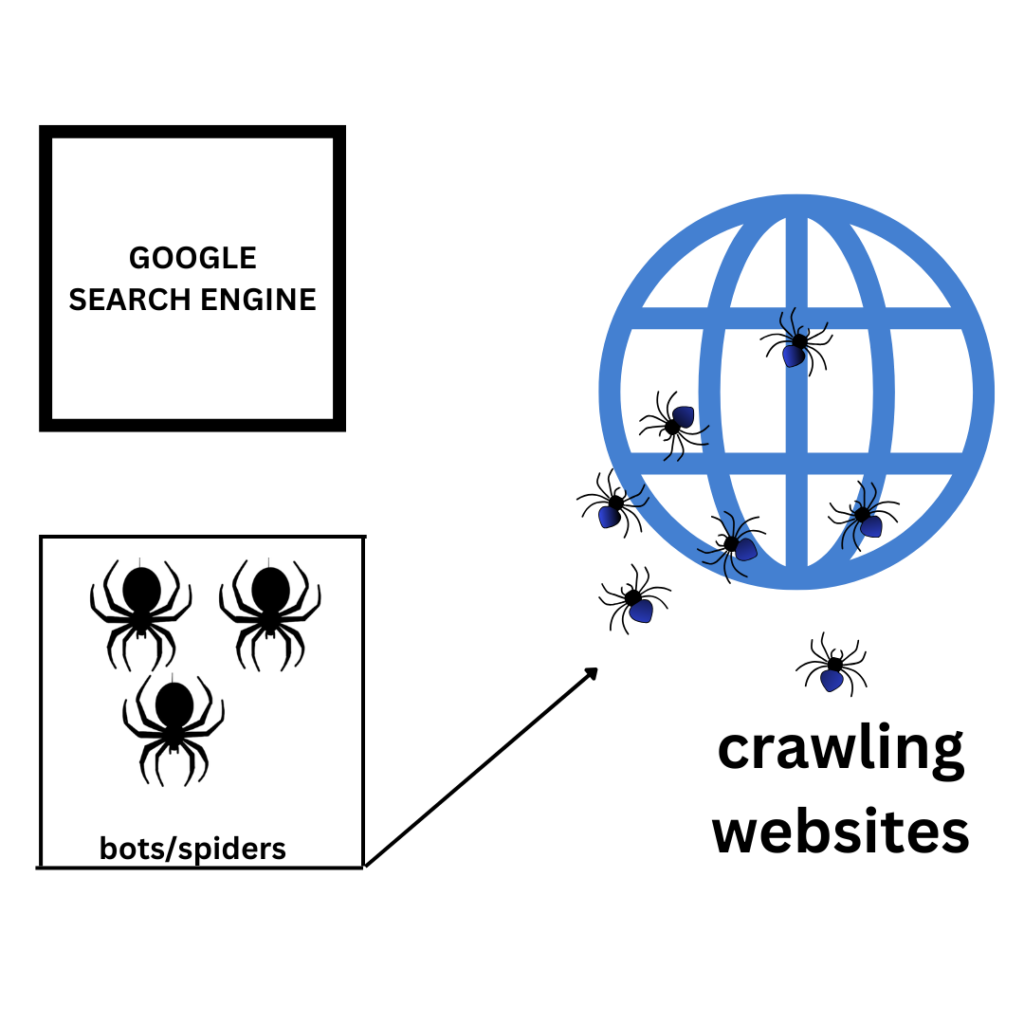
What is Crawling?
Search engine sends crawlers/bots/spiders to collect the data from every website and store it on a server.
What is Indexing?
Indexing is nothing but the segregation of data and storing it in a proper order.
What is Relevancy?
Relevancy is nothing but relevant data that matches the concept of your title.
Types of SEO
TWO TYPES OF SEO TECHNIQUES:
BLACK HAT SEO
Black hat SEO refers to practices that violate search engine guidelines to achieve higher rankings in search results. These unethical methods do not prioritize the needs of the searcher and frequently result in penalties from search engines.
Common black hat techniques include keyword stuffing, cloaking, and the use of private link networks. Achieving visibility in search results is crucial for business development; however, it is essential to approach search engine optimization correctly. The unethical practice of black hat SEO represents an improper approach.
This method attempts to manipulate search engine algorithms instead of focusing on user satisfaction. Rather than legitimately earning a high ranking on search engine results pages, black hat SEO relies on dubious tactics to attain that position. Prolonged engagement in black hat SEO practices is likely to harm your search engine presence rather than enhance it.
WHITE HAT SEO:
On-Page SEO
It means optimization is done within the website; here some of the on-page SEO factors are
- Keyword Research – Finding relevant words people search for.
Some of the keyword research techniques are:
- Brainstorming: We think about the keywords and list them.
- Google Suggest: Google suggests the keywords
- Tool Suggest: By using tools, we can get keywords.
- Quality Content – Writing helpful and engaging content.
- Meta Tags – Adding descriptions and keywords to pages.
- Internal Links – Connecting web pages for easy navigation.
Off-Page SEO
- Backlink Building – Getting links from other websites.
- Social Media Marketing – Promoting content on social platforms.
- Influencer Outreach – Collaborating with industry experts.
Technical SEO
- Fast Website Speed – Ensuring quick loading times.
- Mobile Optimization – Making the site mobile-friendly.
- Secure Website (SSL) – Protecting user data with HTTPS.
The Role of Keywords in SEO
Keywords help search engines match web pages to user searches. Using the right keywords strategically can improve a site’s ranking.
SEO Tools and Analytics
Several tools help track SEO performance:
- Google Analytics – Monitors website traffic.
- Google Search Console – Tracks search performance.
- SEMrush & Ahrefs – Help with keyword research and competition analysis.
Local SEO Strategies
For businesses targeting local customers, local SEO is important:
- Google My Business – Listing businesses for better local visibility.
- Local Directories – Adding business details to online directories.
- Customer Reviews – Encouraging positive feedback.
SEO Trends and Future Outlook
SEO constantly evolves with new trends like:
- Voice Search Optimization – Adapting for spoken search queries.
- AI and SEO – Google’s algorithms use AI to refine rankings.
- Video SEO – Optimizing videos for better reach.
Common SEO Mistakes to Avoid
- Overusing keywords (keyword stuffing).
- Ignoring mobile optimization.
- Publishing low-quality content.
- Don’t copy the content on other websites
SEO vs. SEM (Search Engine Marketing)
- SEO – Focuses on organic traffic and long-term results.
- SEM (PPC Ads) – Uses paid ads for instant visibility.
Why Content Matters in SEO
Good content improves rankings and engagement. Types of SEO-friendly content include:
- Blogs – Informative and keyword-rich articles.
- Videos – Engaging visual content.
- User-Generated Content – Reviews and testimonials.
Benefits of SEO for Businesses
- Increases Website Traffic – Brings more visitors.
- Boosts Sales and Conversions – Attracts the right audience.
- Builds Credibility and Trust – Establishes a strong online presence.
Conclusion
SEO plays a key part in digital marketing that helps businesses grow online. By optimizing their websites, companies can attract more customers, increase revenue if the customers are satisfied, and stay competitive.
FAQs
How often should I update my content?
Regular updates every few months keep content fresh.
How long does SEO take to work?
It usually takes 3-6 months to see significant results.
Is SEO better than paid ads?
SEO provides long-term benefits, while paid ads offer quick visibility.
Can I do SEO on my own?
Yes, but hiring experts can speed up results.
What are the key ranking factors?
Quality content, backlinks, and user experience are crucial
- SEO – Focuses on organic traffic and long-term results.
- SEM (PPC Ads) – Uses paid ads for instant visibility.