Are you struggling with social media marketing? Social media marketing is one of the best trendsetters in digital marketing. Don’t worry about these marketing strategies; here we are for you. Let’s get into the topic and learn how social media marketing works.
Introduction to Social Media Marketing
In the current digital landscape, social media has evolved beyond just a way to keep in touch with friends and family; it’s now a formidable marketing asset. With billions of users active online, businesses can harness social media marketing to boost brand visibility, enhance engagement, and drive sales. However, merely having a social media presence isn’t sufficient; a solid strategy is essential to make an impact.
Understanding Social Media Marketing
Social media marketing involves utilizing platforms like Facebook, Instagram, LinkedIn, and Twitter to promote a brand, connect with audiences, and direct traffic to websites. A well-thought-out social media strategy can help businesses establish trust, attract new customers, and reinforce brand loyalty. This type of marketing encompasses various components, including content creation, audience interaction, paid ads, and performance analytics.
Setting Clear Goals for Social Media Marketing
Before you start creating content, it’s essential to clarify your goals. Are you aiming to:
- Boost brand awareness?
- Drive more traffic to your website?
- Generate leads and sales?
- Enhance customer engagement?
- Strengthen brand authority?
By setting SMART (Specific, Measurable, Achievable, Relevant, Time-bound) goals, you’ll have a clear path to follow. For instance, instead of just wanting to “increase followers,” aim for something like “gain 10,000 followers on Instagram in the next six months.”
Identifying Your Target Audience
Knowing your audience is crucial for developing effective social media campaigns. Think about:
- Demographics: Age, gender, and location can help you customize your content.
- Interests and behaviors: Look at what your audience interacts with the most.
- Preferred platforms: Different audiences gravitate towards different social media sites.
Creating detailed customer targeting will enable you to craft content that truly resonates. For example, a fashion brand targeting Gen Z might prioritize Instagram and TikTok, while a B2B software company could find more success on LinkedIn.
Picking the Right Social Media Platforms
Not every social media platform fits every business. Select platforms that align with your industry, target audience, and objectives:
Facebook: Great for B2C marketing, building communities, and advertising.
Instagram: Perfect for visual storytelling, influencer collaborations, and eCommerce.
LinkedIn: Best for B2B marketing, networking, and establishing thought leadership.
Twitter: Excellent for real-time updates, showcasing your brand’s voice, and engaging with customers.
TikTok: Effective for viral campaigns, brand challenges, and reaching younger audiences.
Pinterest: Ideal for lifestyle brands, DIY projects, and home decor.
YouTube: Best suited for long-form videos and brand narratives.
Content Strategy for SMM
Content reigns supreme in social media marketing. To keep your audience interested, concentrate on videos, Live streams, tutorials, and behind-the-scenes glimpses.
Infographics: Present valuable information in an eye-catching format.
User-generated content: Motivate customers to share their stories.
Polls and quizzes: Increase engagement with interactive content.
Educational posts: Provide industry insights and how-to guides.
Behind-the-scenes content: Offer a sneak peek into your brand’s culture.
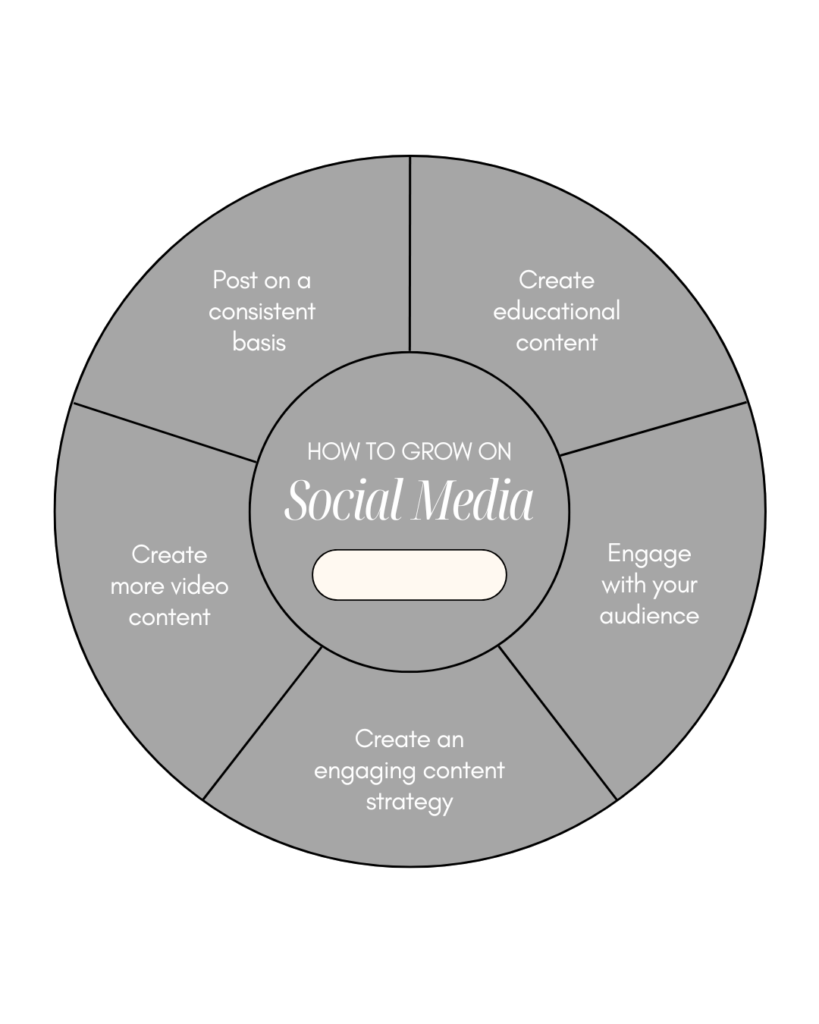
Establishing a Posting Schedule. Staying consistent is crucial. Develop a content calendar to plan your posts ahead of time. While the best posting times can differ by platform, general guidelines suggest:
Facebook: 1–2 times daily. Instagram: 3–5 times weekly. Twitter: 3–5 times daily. LinkedIn: 2–3 times weekly. Your content calendar should strike a balance between promotional material, engaging posts, and interactive content.
.Utilizing Influencer Marketing, Influencers can significantly boost your brand’s visibility. Select influencers who resonate with your brand values and have an engaged following.
Micro-influencers (10k–50k followers): Tend to have higher engagement rates and niche influence. Macro-influencers (100k–1M followers): Offer broader reach but may have lower engagement.
Celebrity influencers (1 M+ followers): Expensive but ideal for a major brand awareness campaign. Successful influencer partnerships involve product collaborations, sponsored content, or brand ambassadorship.
Using Paid Advertising on Social Media
Paid ads can enhance your visibility and drive conversions. Try out: Facebook and Instagram Ads: Perfect for increasing brand awareness and boosting e-commerce sales. LinkedIn Sponsored Posts: Great for generating B2B leads. Twitter Promoted Tweets: Best for engaging with trending topics. TikTok Ads: Effective for viral marketing and promoting products. YouTube Ads: Ideal for storytelling and video promotions.
Conducting A/B testing can help you fine-tune your ad performance by comparing various creatives, formats, and audience segments. Engagement and Community Building. Engagement is key to building loyalty. Make sure to reply to comments, join conversations, and create interactive content like polls and Q&A sessions.
Foster a community through: Facebook Groups: Promote discussions and user interactions. Twitter Chats: Join or host live discussions. Instagram Stories: Utilize features like polls, stickers, and quizzes. Live Sessions: Organize webinars, Q&As, and product launches.
Using Analytics to Measure Success
Keep track of your performance with tools like Google Analytics, Facebook Insights, and Instagram Analytics. Pay attention to metrics such as: Engagement rate: Likes, comments, and shares. Click-through rate (CTR): The number of users clicking your links. Conversion rate: The percentage of users who take action. Follower growth: A sign of brand awareness. Adjust your strategy based on the insights you gather from the data.
Social Media Marketing Blunders to Avoid
Watch out for these frequent mistakes:
Overdoing promotion: promotional posts with content that offers real value. Neglecting analytics: Leverage data to enhance your strategy. Failing to engage: Remember, social media is all about interaction.
Purchasing fake followers: This harms your credibility and lowers engagement. Inconsistent branding: Keep your brand voice and visual style uniform.
The Future of Social Media Marketing
New trends like AI chatbots, augmented reality filters, and interactive shopping will redefine social media marketing. Brands that embrace innovations like voice search optimization and social commerce will stand out in the market.
Wrap-Up
Having a solid social media marketing plan is essential for business growth. By establishing clear objectives, knowing your audience, and using the right platforms, you can build a strong online presence. Stay consistent, interact with your audience, and keep an eye on trends to boost your success.
FAQs
Which social media platform is best for marketing?
The ideal platform depends on who you’re trying to reach and your business objectives. For B2C, Facebook and Instagram are great choices, while LinkedIn is perfect for B2B marketing.
How often should I post on social media?
It can differ by platform, but a good rule of thumb is to post at least 3 to 5 times a week to keep your audience interested.
What can I do to boost engagement on my social media posts?
Focus on using eye-catching visuals, creating interactive content, and make sure to reply to comments and messages promptly.
What are some free tools for social media marketing?
Tools like Buffer, Hootsuite, Canva, and Google Analytics are excellent free options to help you manage your marketing efforts.
Is social media marketing effective for small businesses?
Definitely! It offers affordable ways to connect with and engage potential customers.